Scuba diving in the Andaman Islands: the short version
The diving guidelines name Havelock Island (Swaraj Dweep) and Neil Island (Shaheed Dweep) as dive areas. On Havelock the named sites include Pilot Reef and Minerva Ledge. Further approved areas lie along the east coast of South Andaman. Two spots are excluded on purpose: Havelock Jetty and Radhanagar Beach.
Diving inside a marine national park costs extra. The guidelines add a fee per person and day on top of the dive price, and prior permission from the nature conservation authority. The fee is not the price of a dive and not an entry charge for beaches. Ask the dive centre who arranges the permission when you book.
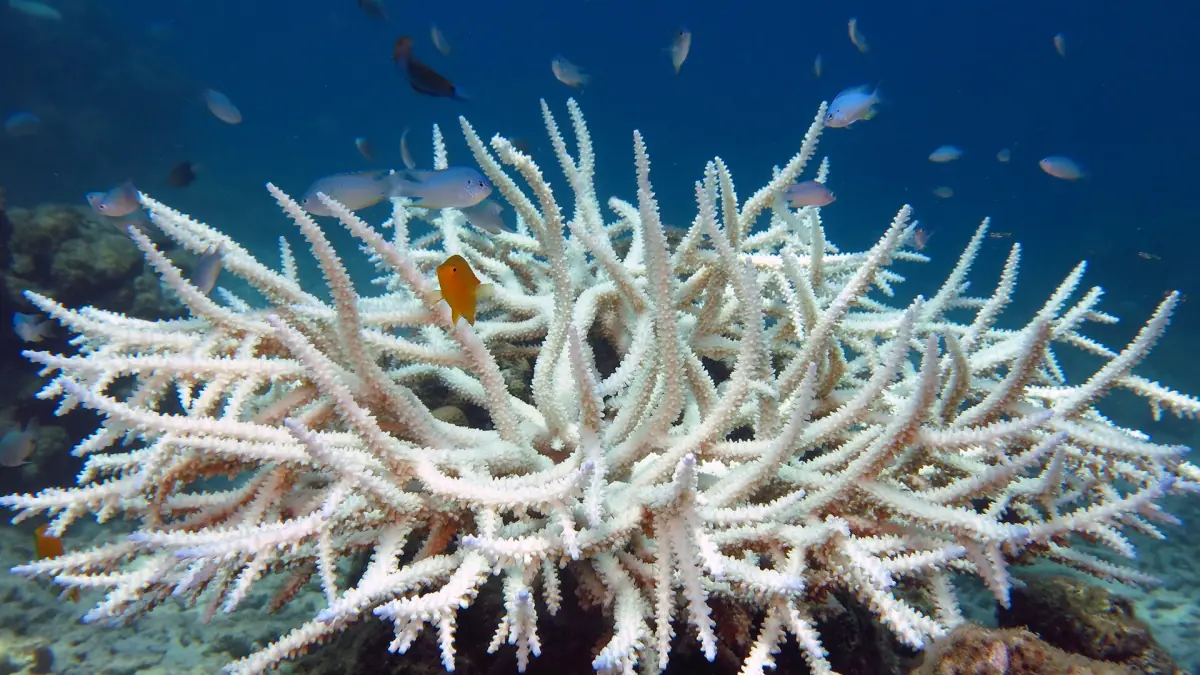
Our picks: scuba diving on Havelock
Three ways to dive, from a short try-dive to a PADI-led dive.
Hand-picked tours, booked through GetYourGuide. Prices are indicative starting prices in US dollars (as of October 2026). Tap a tour for live availability and the current price in your currency.
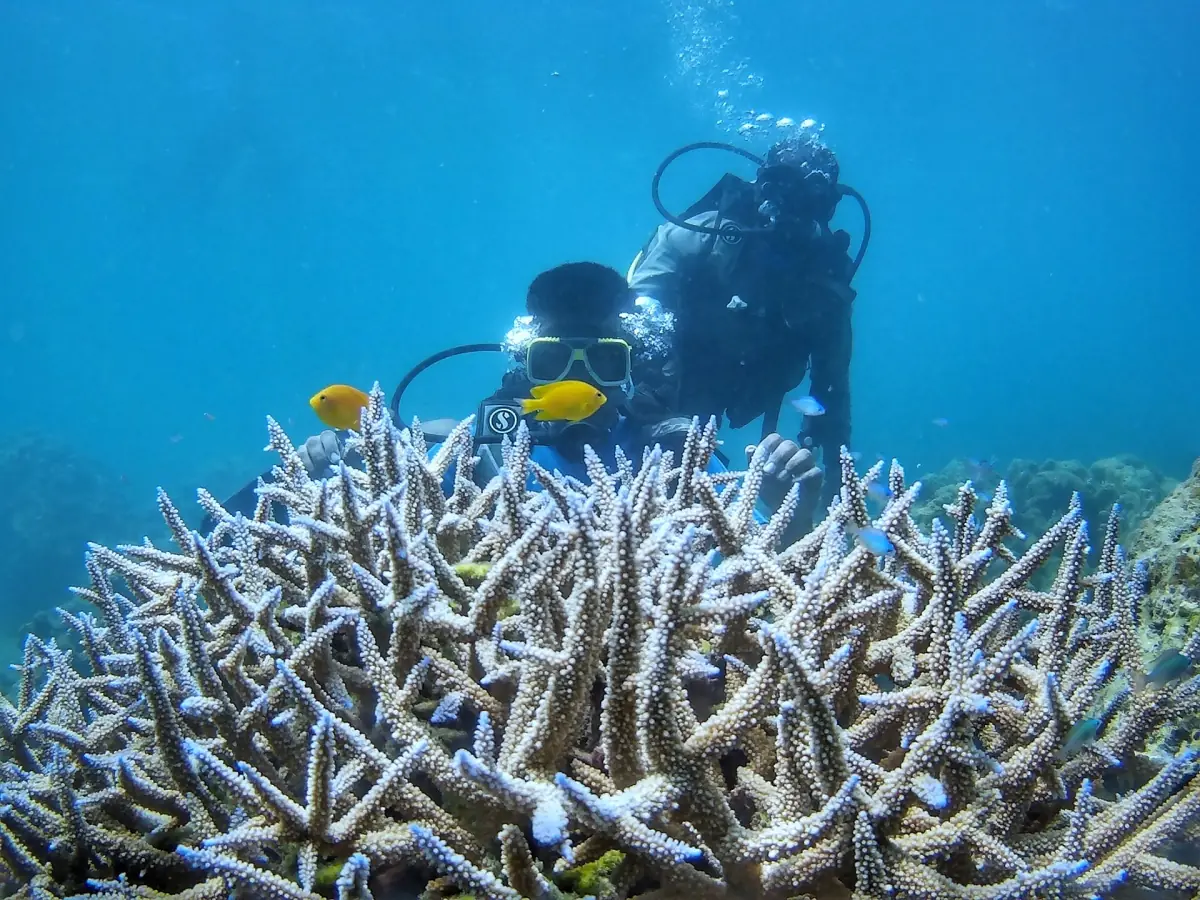
Havelock scuba dive with a PADI instructor
- PADI-certified instructor
- Full dive equipment
- Boat to the dive sites
Hotel pickup within 5 km of the dive centre is included. Ask whether the marine park fee and the ferry to Havelock are covered before you book.
Check availability →Havelock boat dive with instructor, eight reefs to choose
- Personal RAID instructor
- Speedboat to the reef
- GoPro photos and videos
Beginners without a dive certificate can join, down to 12 m. The ferry to Havelock is extra, and you should ask whether the marine park fee is included.
Check availability →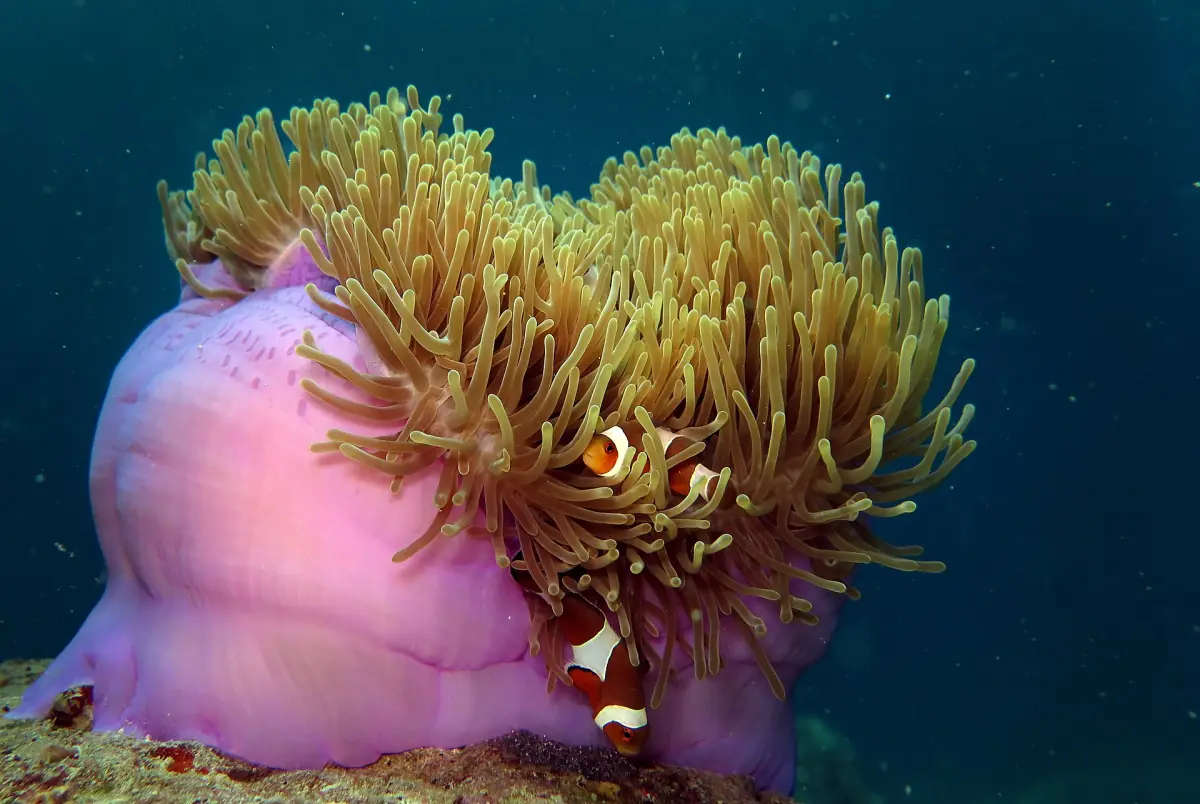
Havelock try-dive experience
- Briefing and guide
- Dive equipment
- Photos and video
A short introduction of about 1.5 to 2 hours; it is not a certification course. Boat transport is only included if you pick that option, and you should ask whether the marine park fee is covered.
Check availability →Andaman scuba diving and snorkeling trips
First dives, certified dives and reef trips off Havelock and Neil, with live prices and availability.
First dive, course or certified dive
The three options are not interchangeable. Pick the one that fits your certification.
| Option | For whom | What to arrange |
|---|---|---|
| First dive (introductory programme) | Beginners with no certification | A medical questionnaire, a briefing and a guide who stays with you |
| Course | Beginners who want a certification | Several days, the medical forms before the course starts and time for theory |
| Dives for certified divers | Divers with a valid certification | Your certification card and logbook, plus the park permission if the site lies in a marine park |
For most first-time visitors, a first dive off Havelock is the simplest start, because Havelock is the island with named sites. Divers who already hold a certification can use the same boats for certified dives, and learners should book a course early so the days fit between ferries.
Where you can dive
The guidelines list approved areas rather than every reef. Havelock has Pilot Reef and Minerva Ledge, Neil is approved as a dive area, and the east coast of South Andaman has designated spots. Barren Island and Narcondum are approved for diving, with no landing on shore. That is a diving rule, not a general permission to visit the islands.
Radhanagar Beach is excluded from diving, so do not book a dive there. Swimming in the marked zone is a separate matter, covered on the Radhanagar Beach page. Sites for dive centres in Diglipur are planned for 2026. Ask whether a centre is running there before you plan a trip around it.
Rough seas change boat schedules and underwater visibility. Look at the rain pattern in the weather guide before you fix dive days.
Health forms and what to ask
Diving is a medical decision, not a travel one.
The medical questionnaire
Courses and introductory dives ask for paperwork beforehand, including a medical questionnaire. If an answer on the form applies to you, a doctor decides whether you can dive. This guide cannot.
Group size and briefing
Ask how many divers share one guide and how long the briefing runs. Answers differ by centre, and no fixed figure applies to every operator on the islands.
Permission and fee
Ask whether the marine park fee and the permission are in the price or paid on top. Foreign visitors pay ₹1,000 per person and day.
Ferry timing
Do not book a dive on the same morning as a ferry that you cannot change. Boats run on weather and tide, and sailings can shift.
Ferry guide →Reefs after the 2023/24 bleaching
What the numbers say, and what they do not.
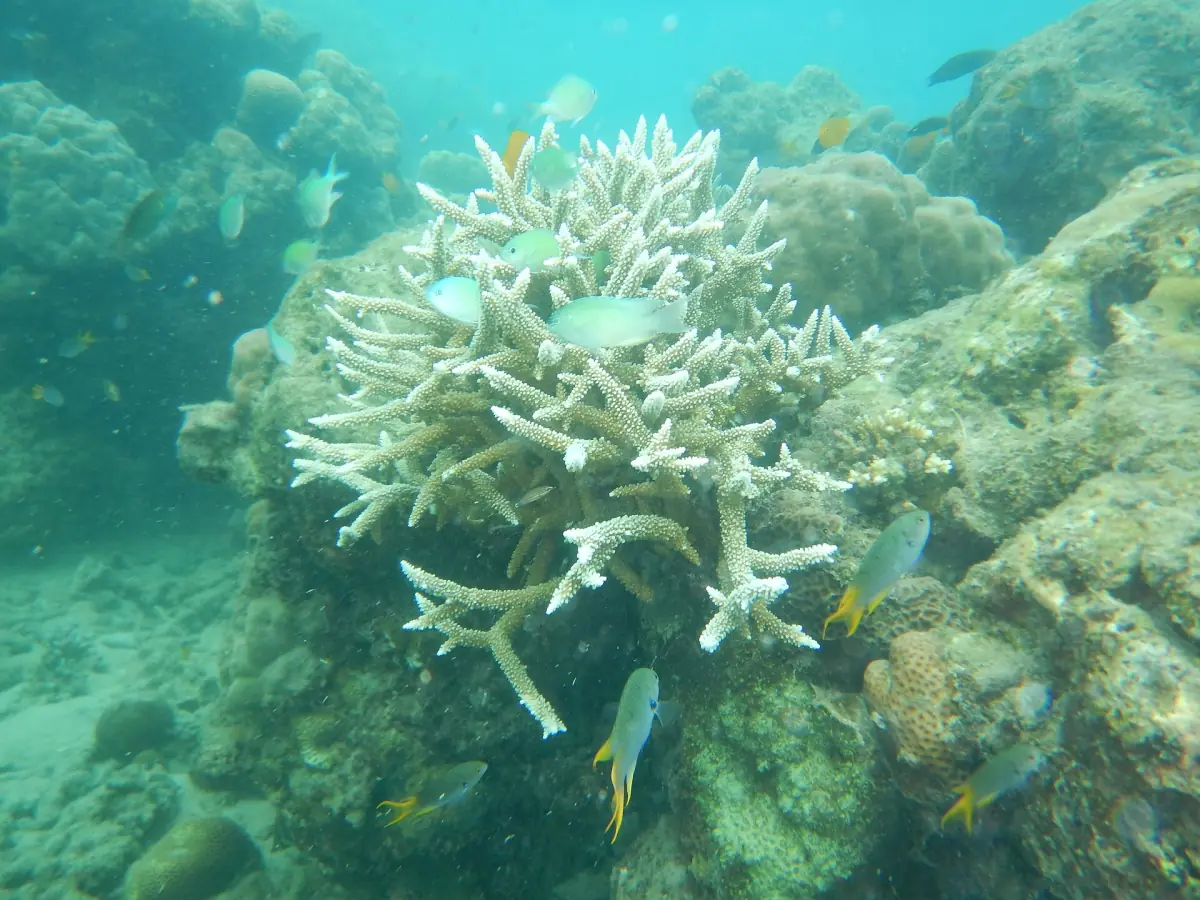
A bleaching event in 2023/24 affected an estimated 15 to 18 percent of coral in South Andaman. Recovery has been mostly good. That figure belongs to South Andaman and does not describe every reef in the archipelago. It also says nothing about the state of a single site today, so ask the dive centre what the reef looks like this season.
Sightings of larger animals cannot be promised, and no standard visibility figure applies to every site. Treat any guarantee from a seller with caution.
Scuba diving in the Andamans: frequently asked questions
Where can you scuba dive in the Andaman Islands?
The guidelines name Havelock, with Pilot Reef and Minerva Ledge, Neil and approved areas on the east coast of South Andaman. Havelock Jetty and Radhanagar Beach are excluded. Barren Island and Narcondum are dive areas with no landing ashore.
Can beginners dive without a certification?
Yes, with an introductory programme. A course leads to a certification and takes longer. Certified dives need a valid card. Do not mix up the three when you book.
What is the extra fee for diving in a marine park?
The guidelines add ₹1,000 per person and day for foreign visitors and ₹500 for Indian visitors, plus prior permission from the conservation authority. It is on top of the dive price and is not the total cost of a dive.
Do I need a medical check before a dive?
Courses and introductory dives ask for a medical questionnaire. If an answer on the form applies to you, ask a doctor before you travel.
Is the coral healthy after the bleaching?
An estimated 15 to 18 percent of coral in South Andaman bleached in 2023/24, and the recovery has been mostly good. Conditions differ from reef to reef, so ask the dive centre about the site you plan to visit.