The Andaman and Nicobar Islands at a glance
The Andaman and Nicobar Islands are two separate island groups in the Bay of Bengal that form one Indian union territory. The Andamans cover 6,408 km² and the Nicobars 1,841 km², together 8,249 km². The capital is Sri Vijaya Puram, formerly Port Blair.
The islands became a union territory on 1 November 1956. Hindi and English are the official languages, and Bengali, Tamil, Telugu, Malayalam and Nicobarese are also spoken. Time follows Indian Standard Time, UTC+05:30.
The islands number 572 or, counting every islet and rock, 836, and 38 of them are inhabited. The 2011 census counted about 380,000 people, and an estimate for 2019 is about 434,000.
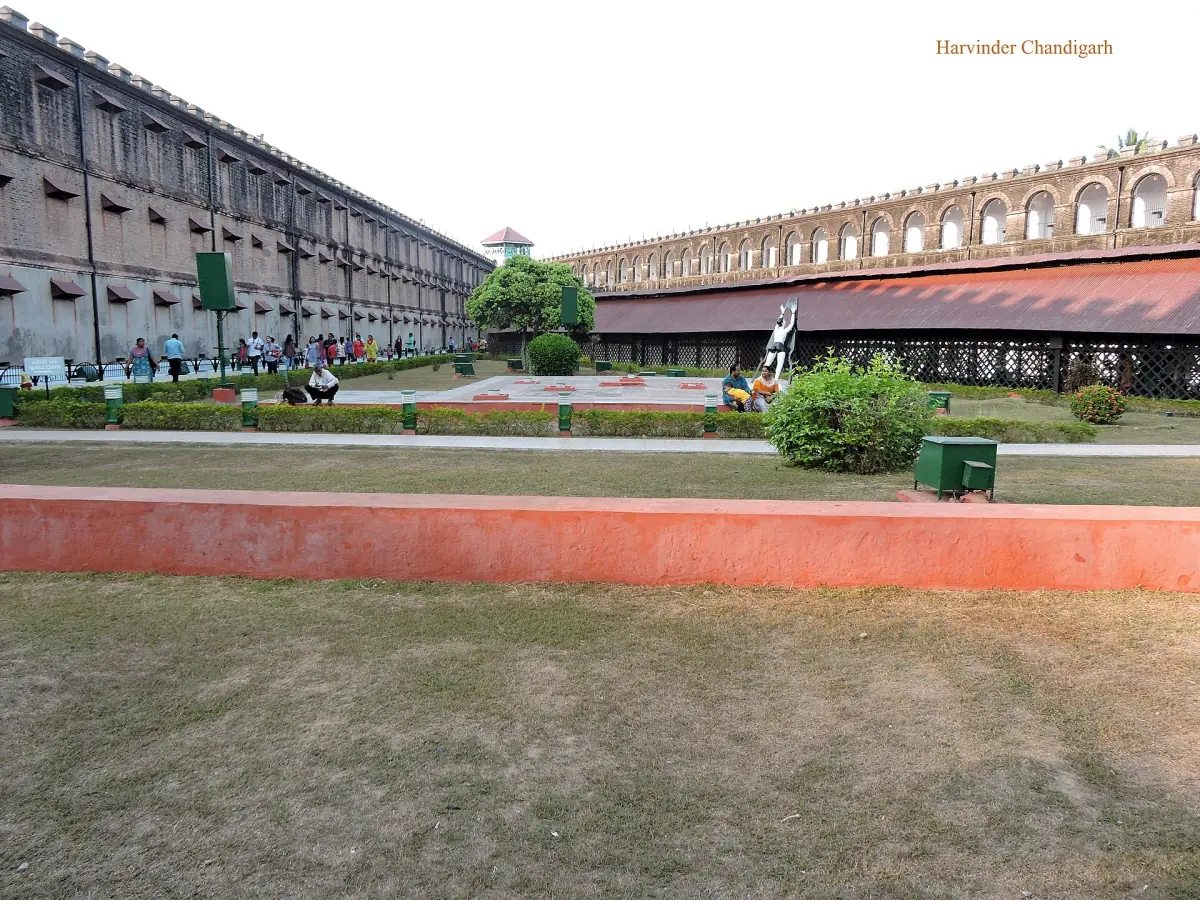
The penal colony and the Cellular Jail
In 1858, British authorities set up a penal colony in South Andaman. Prisoners were sent there from mainland India, including political prisoners. The Cellular Jail, built in Port Blair, comes from this period: construction began in the 1890s and finished in 1906. It had close to 700 cells.
The history of this prison is a serious one, and we treat it that way. You can visit the building today and see the wing where prisoners were held. Our Cellular Jail guide covers tickets and the evening light and sound show.
The same period is remembered elsewhere in the capital. In 2021, the government announced that Mount Harriet would be renamed Mount Manipur, in memory of exiles from Manipur who were sent to the islands.
Our pick: a guided Cellular Jail tour
A guided day through Port Blair with a visit inside the jail.
Hand-picked tours, booked through GetYourGuide. Prices are indicative starting prices in US dollars (as of October 2026). Tap a tour for live availability and the current price in your currency.
Andaman island tours and day trips
Island trips, boat tours and city sights around Port Blair and the main islands, with live prices and availability. Combine them with a visit to the Cellular Jail.
Japanese occupation and independence
Japanese forces occupied the islands from 1942 to 1945. In 1943, Netaji Subhas Chandra Bose hoisted the national flag there, an event that is remembered in the 2018 renaming of several islands. The islands passed to independent India, and became a union territory in 1956.
New names, old names
Port Blair was renamed Sri Vijaya Puram in an announcement of 13 September 2024. On 30 December 2018, Havelock became Swaraj Dweep, Neil became Shaheed Dweep and Ross became Netaji Subhas Chandra Bose Dweep. Government pages use the new names, while private ferry timetables, maps and many travellers still use the old ones. Both names refer to the same places.
The Indigenous peoples of the islands
Five distinct peoples are recognised: the Great Andamanese, the Jarawa, the Onge, the Sentinelese and the Shompen. They are not one community and should not be described as one "island tribe". A Tribal Reserve is a protected area, not a cultural attraction, and visiting one to meet or photograph people is forbidden.
Government figures from 2019 put the Jarawa at about 514 people. For the rules that apply on the Andaman Trunk Road, read our Andaman permit guide. The Sentinelese live on North Sentinel Island, which is closed to visitors. See our North Sentinel Island page for the background.
The 2004 tsunami
On 26 December 2004, the Indian Ocean tsunami struck the islands. Official counts list 3,513 dead and missing across the whole union territory, both island groups together.
Nicobar Islands
The Nicobar Islands lie south of the Andamans and make up 1,841 km². The group has 22 main islands, 10 of them inhabited, and Nicobarese is one of the languages spoken. The Nicobars are not open for tourism. Travel there needs a Tribal Pass, and foreigners are not allowed to travel beyond Hut Bay.
Great Nicobar project
The Great Nicobar project is a large infrastructure plan on Great Nicobar Island. The government describes a strategic transshipment port and says protections for the environment and Indigenous peoples are part of the plan. It treats the Shompen, a community on Great Nicobar, as protected under its Shompen Policy of 2015. Whether these protections are enough is debated.
In early May 2026, an in-principle recommendation for a port at Galathea Bay was followed by concerns about its economics and about competition with existing ports. No opening date for a port or airport is set that a visitor could plan around.
Places that tell the story
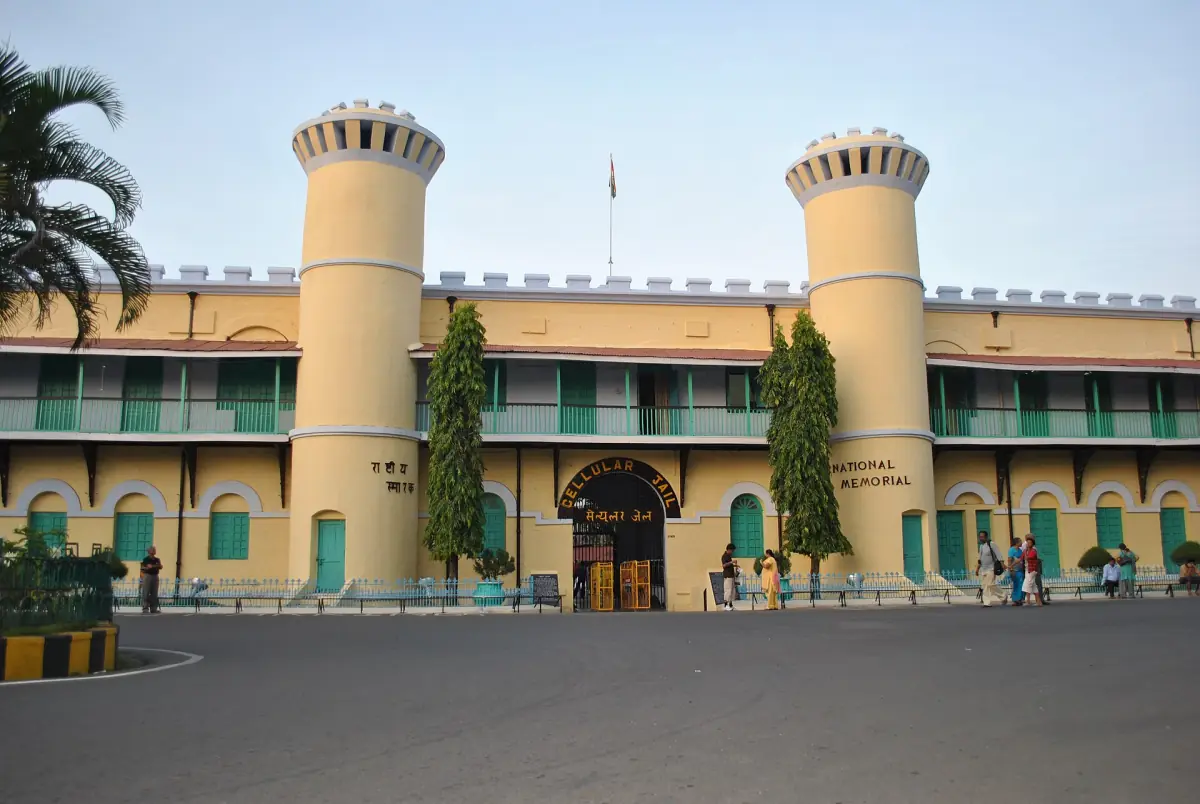
Cellular Jail
The former prison, tickets and the evening light and sound show.
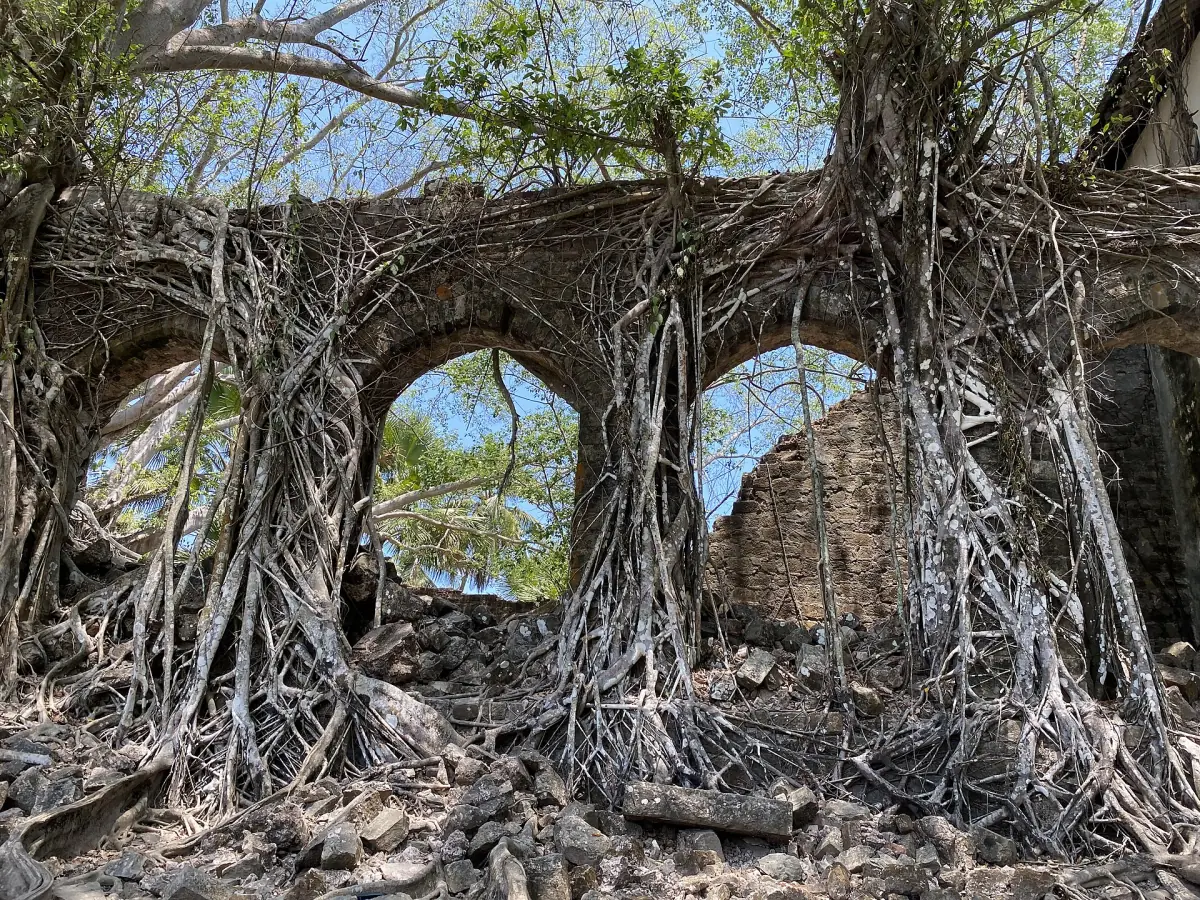
Ross Island and North Bay
Colonial ruins under tree roots and a trip to the lighthouse island.
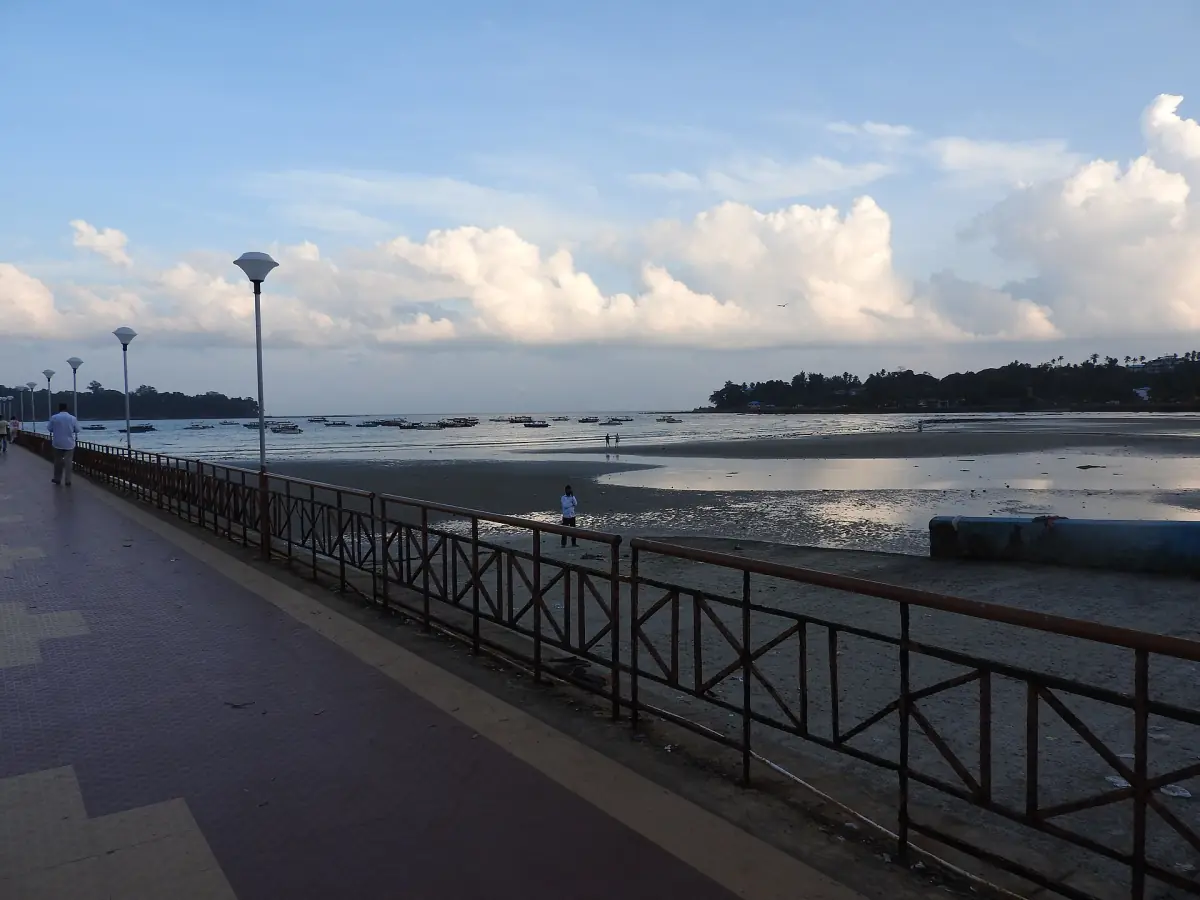
Port Blair
Sri Vijaya Puram, museums and the old town.
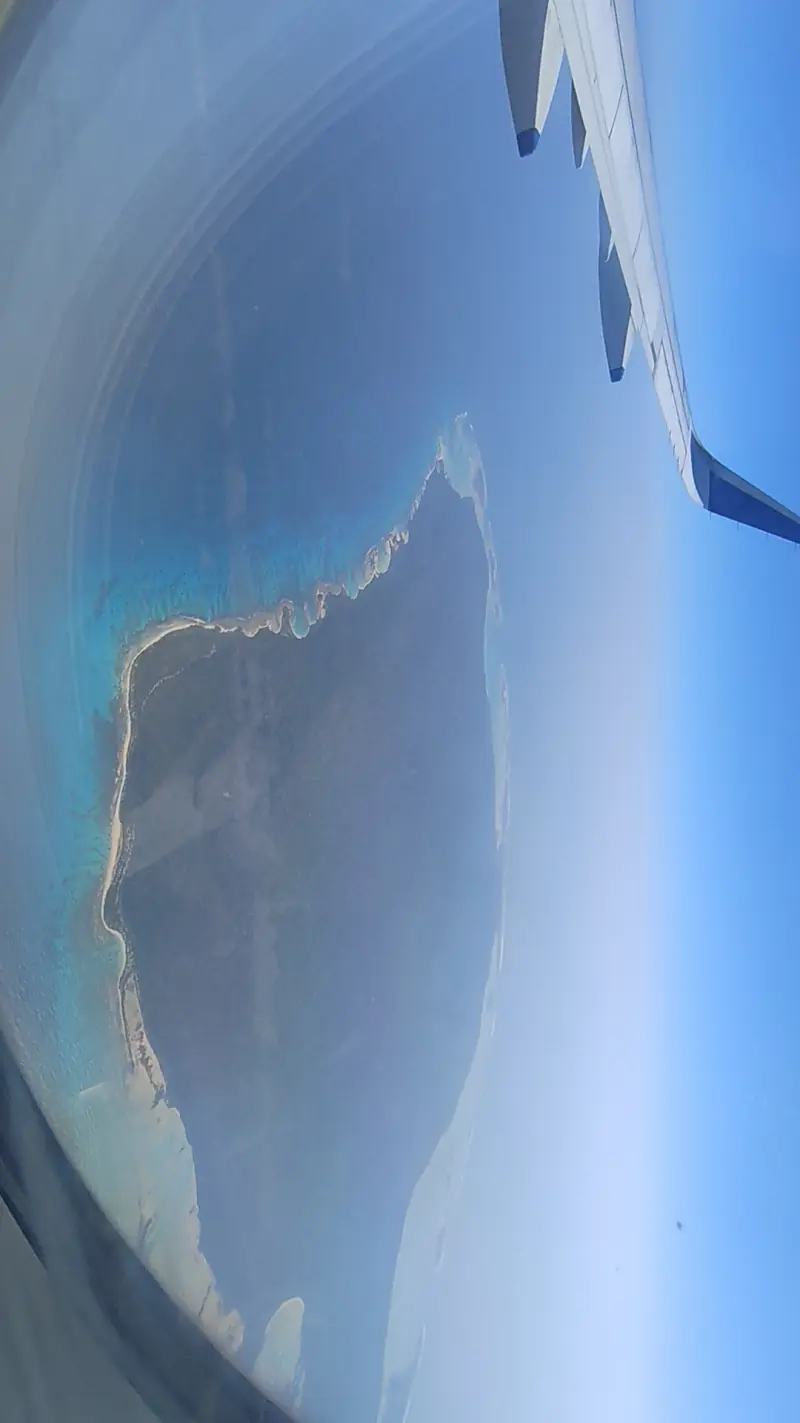
North Sentinel Island
Why the island is closed and what the protection covers.
Andaman and Nicobar Islands history: frequently asked questions
When was the penal colony set up in the Andamans?
In 1858, in South Andaman. The Cellular Jail came later and was finished in 1906.
Why was Port Blair renamed Sri Vijaya Puram?
The new name was announced on 13 September 2024. Government pages use it, while private ferry timetables often still say Port Blair. Both names mean the same city.
How many people died in the 2004 tsunami?
Official counts list 3,513 dead and missing across the whole union territory.
Can tourists visit the Nicobar Islands?
No. Travel needs a Tribal Pass, and foreigners cannot go beyond Hut Bay.
What is the Great Nicobar project?
A government plan for a transshipment port and related infrastructure on Great Nicobar. The government describes safeguards for the environment and the Shompen, and the plan is debated.
Which Indigenous peoples live on the islands?
Five distinct peoples: the Great Andamanese, the Jarawa, the Onge, the Sentinelese and the Shompen. They are separate communities, and visiting a Tribal Reserve to meet or photograph people is forbidden.